
The very thought that your loved one needs intensive care in itself is a deeply emotional and anxious moment. Imagine the different types of equipment that are likely to be used to stabilise the patient can give the family members many sleepless nights. However, if you are aware of what happens in an ICU, a lot of your anxiety can be reduced, and in turn, you can comfort the rest of the family members who will undoubtedly be worried too.
Here’s a step-by-step guide for easy understanding and the comfort of family members.
ICU Guide for Families
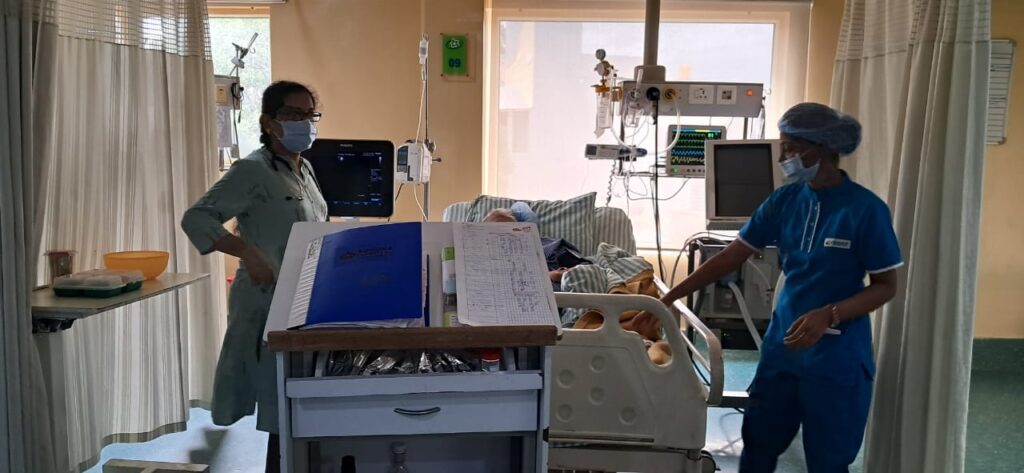
An ICU, or Intensive Care Unit, in a hospital caters to critically ill patients who need round-the-clock and continuous monitoring. Every variation in the vital parameters of the patient is strictly monitored, and the frequency and type of variations are recorded.
An ICU in any hospital is designed and built to strictly follow each and every process towards stabilising a patient who is critically ill. It begins with,
- Patient Admission and Initial Assessment
Once the family member of the patient fulfills all the pre-admission formalities for ICU admission and completes the paperwork, the patient is admitted to the ICU. Depending upon the extent of care required, a high-profile ICU team of medical specialists takes over the patient care. A thorough assessment of the patient’s medical condition is done. - Stabilising the Patient
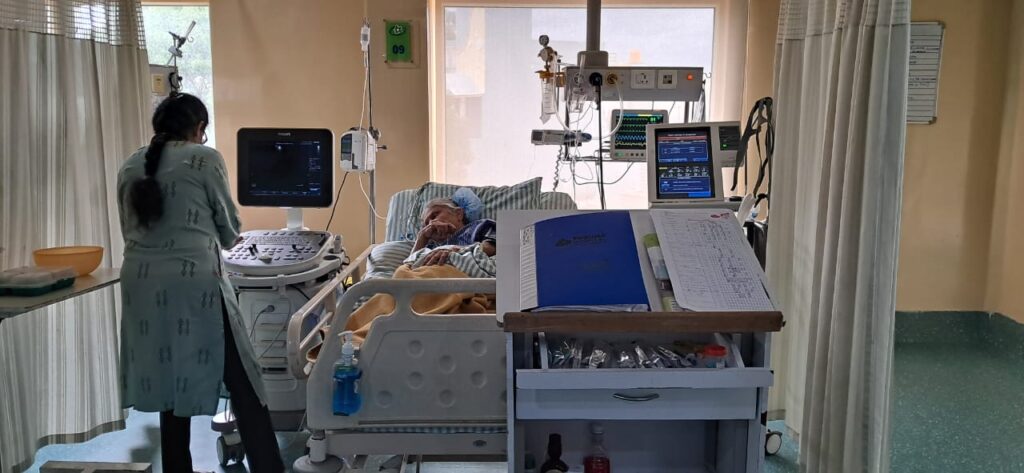
Once admitted, the patient is connected to the various equipment that monitor vital parameters like blood pressure, heart rate, oxygen levels, etc. These machines are supported by ventilators and IV lines for monitoring the respiration as well as administering immediate medications, respectively. - Round-the-Clock Monitoring
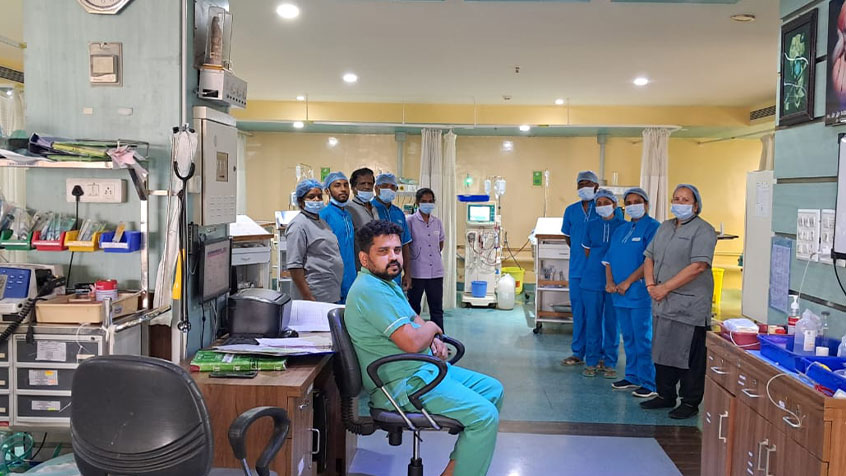
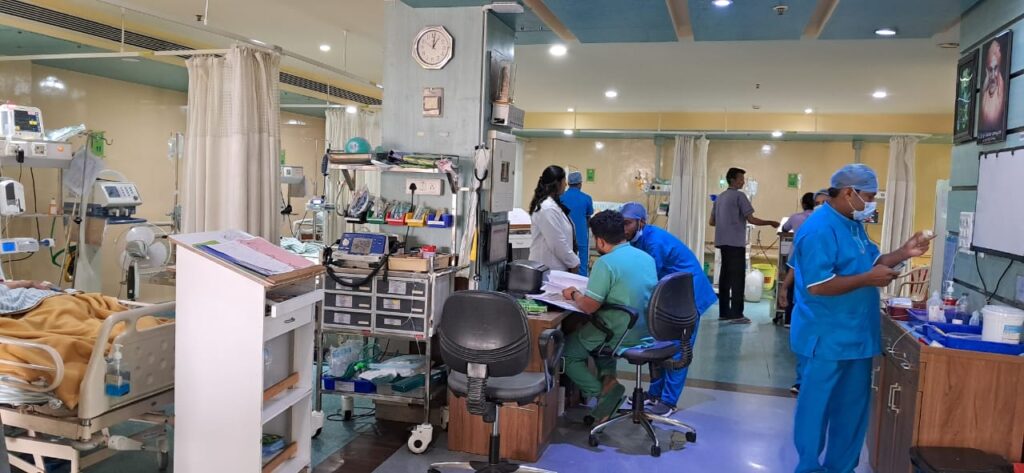
As ICUs work around the clock, special teams consisting of ICU nurses, doctors, and intensivists monitor the patient’s condition continuously. - Staying Connected With the Families
Regular updates are provided by doctors on duty to the anxious family members of the patients through frequent interaction. If required, the senior doctor in charge will address the family members in case there is a need for advanced treatment. - Transfer to wards
Depending upon how the patient is recovering, decisions are made to transfer the patient to the designated wards for further treatment. If the patient’s condition suddenly deteriorates, they shifted back to the ICU on a high basis.
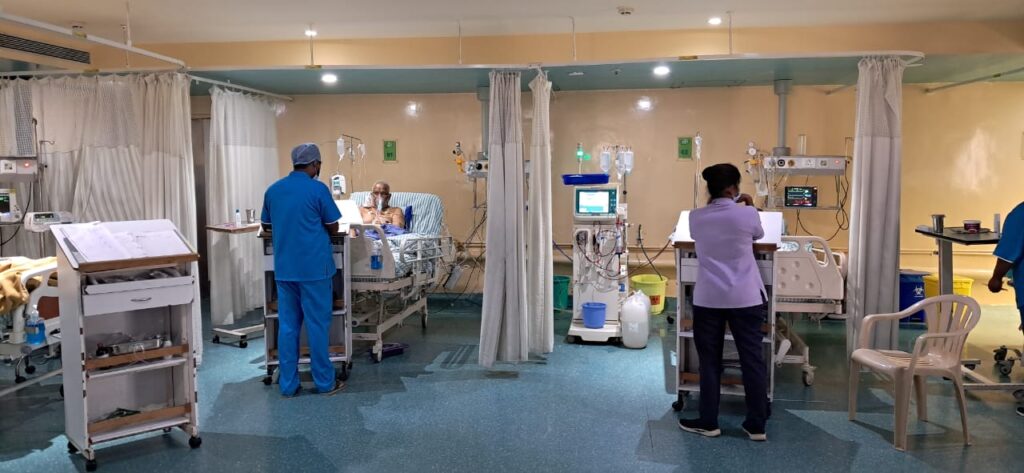
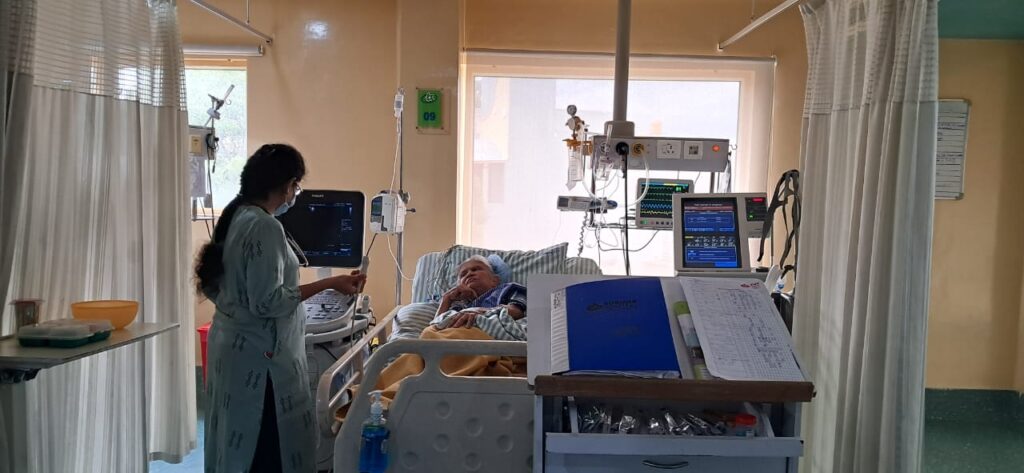
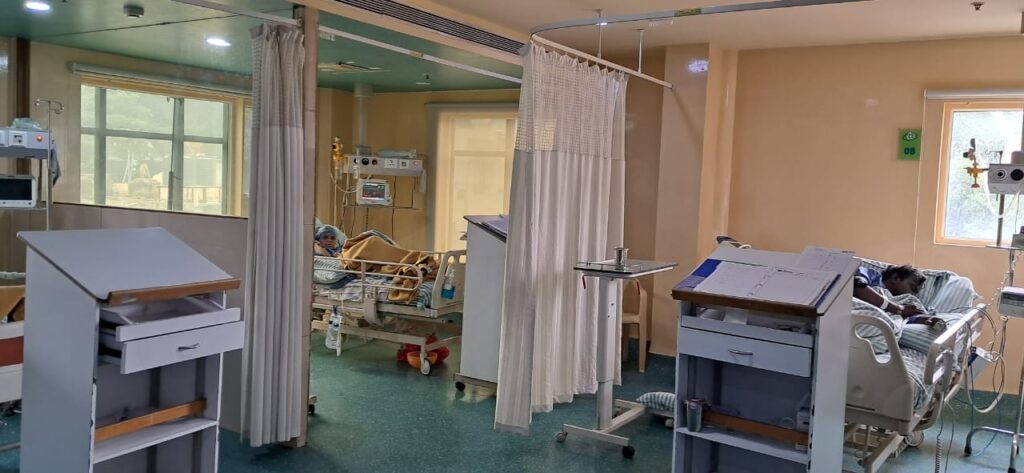
ICUs are one of the most critical departments in a hospital setup. However, they can be gamechangers if they are well-equipped with all modern, technology-driven facilities and a high-quality medical team. Hence, your decision to choose a hospital with the best ICU facility is immensely important.
If you or your loved one needs ICU care and are wondering, “Which is the best hospital near me to visit, Think no further and visit our team of distinguished medical specialists at Suguna Hospital immediately. With a well-equipped ICU with state-of-the-art technology and a dedicated team that treats every patient with compassion, expertise, and care, the hospital has brought smiles back on the faces of over 1000 patients who were critically ill and had minimal hopes of survival.
Frequently Asked Questions
What is the duration of a patient’s stay in an ICU?
This entirely depends upon the condition of the patient and how his progress is. Your doctors will discuss the duration of the stay with the family members based on daily reports.
Can I visit an ICU as a family member?
Yes, you can. But your time with your loved one is limited to avoid spreading of any infections and ensure uninterrupted care.
Are ICUs safe and assured when it comes to stabilising a patient?
Yes. With technology playing a huge role in providing high-quality healthcare, Today’s hospitals are well-equipped with all modern equipment to ensure safe and positive care for patients in distress.
Who is in charge of patients in the ICU?
A dedicated team of ICU doctors, nurses, and intensivists is given the responsibility of continuously monitoring patients.
Does every health issue require an ICU admission?
No. Your doctor will suggest an ICU admission only if the patient’s condition is life-threatening and requires immediate medical attention and close monitoring.