 24x7 Helpline 080 4019 4444

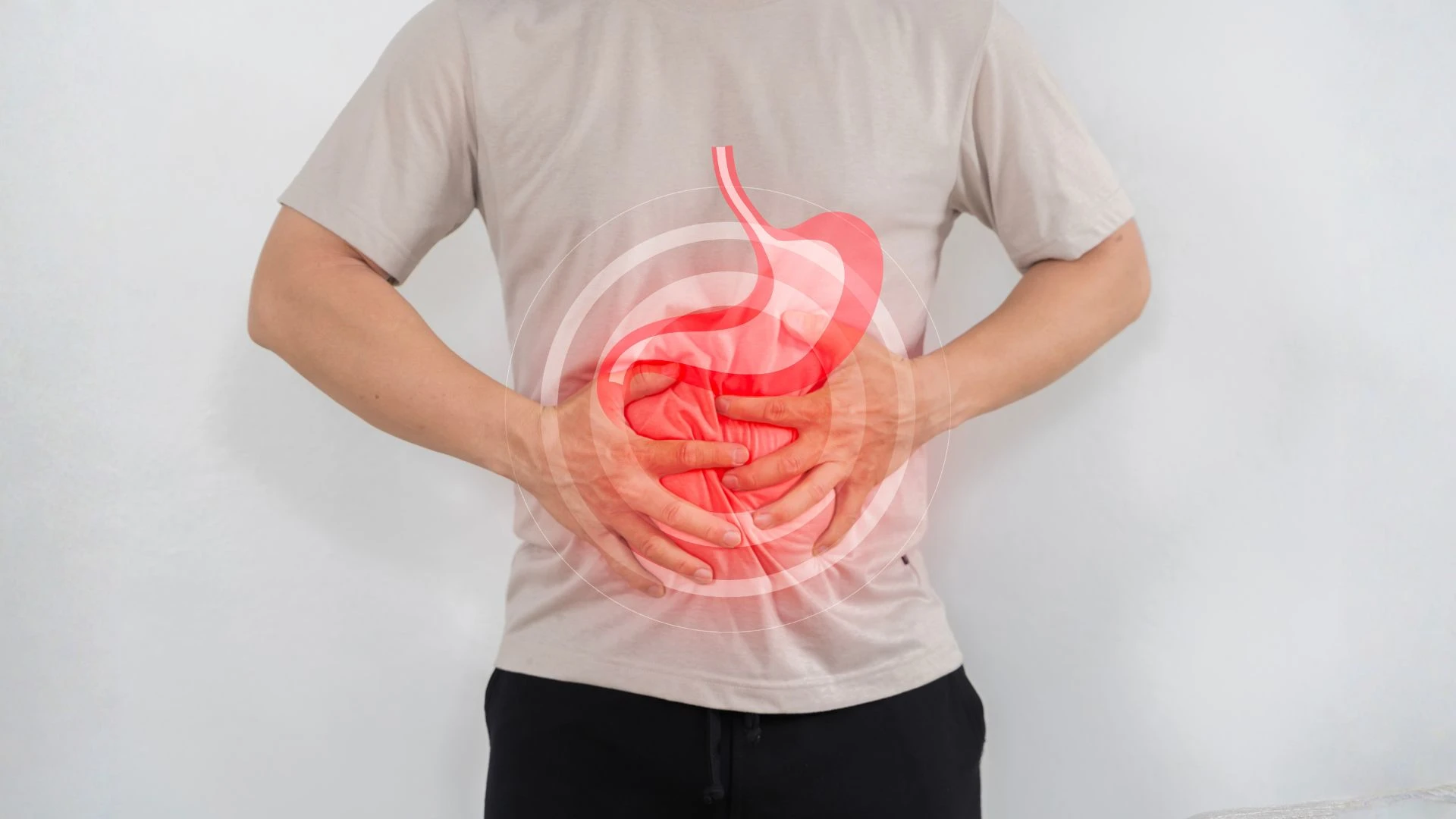
The best treatment for acidity and gastric problems is a strategic management of the issue through a combination of lifestyle changes, diet control, and medical treatment. This article is aimed at understanding more about effective treatment for acidity and gastric issues.
Introduction
Acidity and gastric complaints are widely observed and treated digestive issues. Symptoms for these can range from a burning sensation in the chest to bloating and discomfort after meals, and can disrupt daily life. While irregular eating habits and stress have made acidity more frequent, the good news is that effective treatments are available.
The best treatment for acidity and gastric problems involves a combination of lifestyle changes, dietary control, and medical therapy. Reducing excess stomach acid, preventing reflux, and improving digestion can help in achieving long-term relief.
Treating Acidity and Gastric Complaints
Early identification of symptoms can lead to effectively addressing acidity and gastric complaints. In addition to this, some basic steps can be taken to reduce the impact at a later stage.
| Actions | Description |
| Lifestyle Modifications | Eat less quantityEat at frequent intervalsAvoid lying down immediately after eating Avoid eating very late at night.Maintain a healthy weight Reduce smoking and alcohol intake |
| Diet adjustments | Avoid spicy, oily, and processed foods Limit caffeine Avoid carbonated drinks Include fruits, vegetables, and fiber-rich foods |
| Medications as prescribed | Strictly adhere to medical management as prescribed by your doctor. Do not miss routine medications. |
| Home remedies | Ginger tea or fennel seeds Cold milk or buttermilk Coconut water Natural home remedies can help, but if you are under any prior medication, consult your doctor before deciding. |
Evidence-Based Care for Better Digestive Health
This article is based on globally accepted clinical guidelines and updated research for acidity and gastric problem treatment.
- Acidity and GERD management have evolved significantly over the years with a structured approach combining diagnosis, lifestyle correction, and targeted medication, ensuring better outcomes.
- Experiences have proven that most patients improve significantly with simple lifestyle adjustments such as weight management, avoiding trigger foods, and proper meal timing.
- Treatments offered by trusted medical sources, such as gastroenterology guidelines and peer-reviewed studies, have improved treatment outcomes.
- Availability of balanced information—highlighting both benefits and limitations of treatments- has reinforced the importance of consulting healthcare professionals rather than relying solely on self-medication.
Conclusion
Acidity may not be threatening unless it becomes chronic in nature. Hence, do not ignore recurring acidity symptoms and bring it to the notice of an experienced gastric problem doctor in Bangalore.
If you or a loved one is looking for expert diagnosis and personalized care, consult specialists at Suguna Hospital, trusted as the best gastro hospital in Bangalore for their efficient and advanced treatment for acidity and gastric problems.
Take the first step towards lasting digestive relief today!
FAQs
Q. What is the fastest relief for acidity?
A. Antacids can provide quick relief, but they are temporary solutions.
Q. Is acidity a serious problem?
A. Occasional acidity is common, but frequent symptoms may indicate GERD and require A broader treatment approach.
Q. Can acidity be cured permanently?
A. With proper lifestyle changes and treatment, it can be effectively controlled.
Q. Which foods reduce acidity?
A. Bananas, oatmeal, yogurt, and green vegetables help to a considerable extent in reducing acid levels.
Q. Are home remedies enough for acidity?
A. They help in mild cases, but chronic acidity needs medical diagnosis and treatment.
References:
- National Institute of Diabetes and Digestive and Kidney Diseases (NIDDK)
- Mayo Clinic
- World Health Organization (WHO)
- American College of Gastroenterology (ACG)
- National Health Service (NHS)
Author
Written by: Medical Content Team, Suguna Hospital
Reviewed by: Gastroenterology Specialists at Suguna Hospital