 24x7 Helpline 080 4019 4444

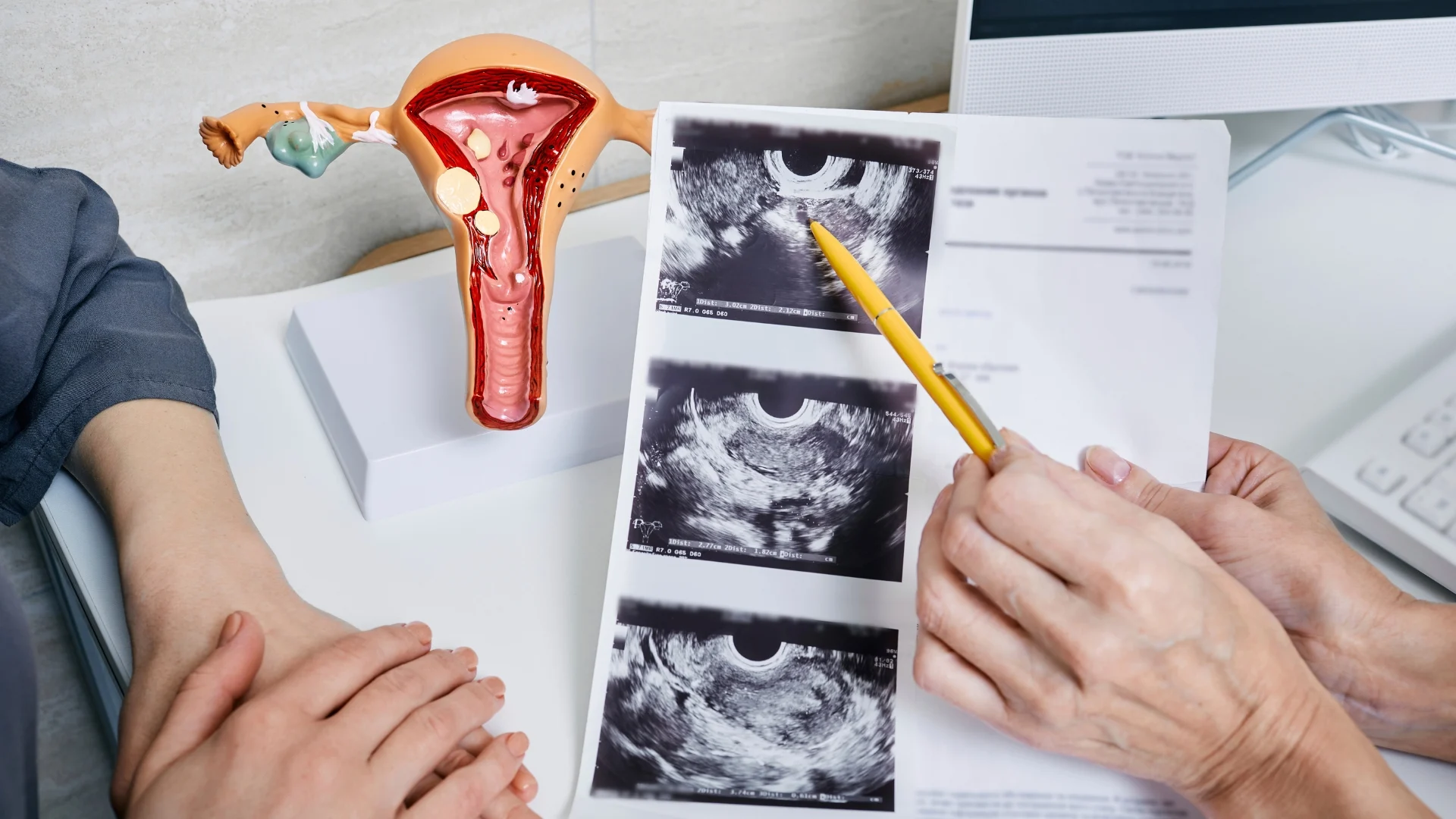
This article talks about commonly noticed gynaecological problems in women. Understanding their causes and when is the correct time to get in touch with a gynaecologist will help solve related complications in the future.
Introduction
Hormonal changes during different stages in life, like puberty, pregnancy, and menopause, are quite common in a woman’s life. While the impact faced from most of these may not pose much of a threat, some of them could indicate underlying conditions like infections, fibroids, PCOS, endometriosis, or even cancer. Recognising these early warning signs of gynaecological problems can make a significant difference in treatment outcomes.
The top 10 gynaecology symptoms every woman shouldn’t ignore are continued physical or menstrual changes that may signal a possible issue with reproductive health. These include abnormal bleeding, severe pelvic pain, unusual discharge, breast changes, and urinary discomfort — all of which require timely medical evaluation for early detection and effective treatment.
Common Gynaecological Problems
Here are some frequently noticed gynaecological problems in women.
| Problems | Detail |
| Abnormal vaginal bleeding | Bleeding is observed either between periods or after intercourse.Might indicate a possible hormonal imbalance, fibroids, polyps, thyroid issues, or, in rare cases, cervical or uterine cancer. |
| Pelvic pain | Intense or persistent pelvic pain could signal a potential risk of endometriosis, ovarian cysts, pelvic inflammatory disease (PID), or ectopic pregnancy. |
| Unusual discharge from the vagina | A discomforting odour resulting from an unusual discharge from the vagina, followed by itching or rashes, can indicate a possible bacterial vaginosis, yeast infection, or sexually transmitted infections (STIs). |
| Irregular periods | A commonly observed condition, it can lead to PCOS, stress, thyroid disorders, or perimenopause |
| Increase menstrual flow | Passing large clots could indicate fibroids, adenomyosis, or bleeding disorders. |
| Pain felt during sexual intercourse | Can be due to vaginal dryness, infections, endometriosis, or pelvic floor disorders. |
| Changes in breast appearance | Unusually noticed discharge from the breasts could signal symptoms of cancer, which needs immediate attention. |
| Abdominal bloating at regular intervals | If accompanied by loss of appetite, it can signal an early stage of ovarian cancer. |
| Urinary changes or changes in bowel movement | Frequent urination, urgency, or constipation with pelvic discomfort could be linked to fibroids or pelvic masses. |
| Post menopause symptoms | Bleeding or spotting after menopause needs quick attention. |
Why does an early identification of symptoms matter?
Understanding key symptoms early and taking appropriate action can reduce complications and improve treatment success rates. The article presented is constructed based on updated clinical guidelines and common patient concerns discussed in an outpatient gynaecology practice.
- The information focuses on real-world symptoms frequently reported by women across age groups that include adolescents, reproductive-age women, and those in their post menopause stages.
- This content aligns with global recommendations for early screening for cervical, ovarian, and breast cancers, as well as hormonal disorders.
- The guidance specifies standard gynaecological evaluation protocols, including ultrasound, Pap smear, hormone testing, and minimally invasive procedures.
- Symptoms are explained clearly without exaggeration. The focus remains on early consultation rather than self-diagnosis. Women should consider seeking professional evaluation rather than relying solely on online advice.
Regular health screenings can play a crucial role in preventive healthcare.
Gynaecological symptoms are mild to begin with. However, if ignored over a certain period of time, things can get complicated. Awareness, regular screening, and early consultation are the keys to protecting reproductive health and overall well-being. Hence, if you are looking for professional consultation on gynaecological issues, connect with our experts at Suguna Hospital, known for efficient diagnosis, advanced treatment facilities, and
Compassionate women’s healthcare services, today.
Frequently Asked Questions
When should I see a gynaecologist for irregular periods?
If irregular periods persist for more than three cycles or are accompanied by pain or heavy bleeding, consult a doctor immediately.
Is pelvic pain always serious?
Not always. However, persistent or severe pain needs immediate medical evaluation.
What causes abnormal vaginal discharge?
Common reasons include infections, hormonal imbalance, or poor hygiene.
Can stress affect menstrual cycles?
Yes, stress impacts hormonal balance and can delay or disrupt periods.
Is post-menopausal bleeding dangerous?
It can indicate endometrial abnormalities and should never be ignored.