 24x7 Helpline 080 4019 4444

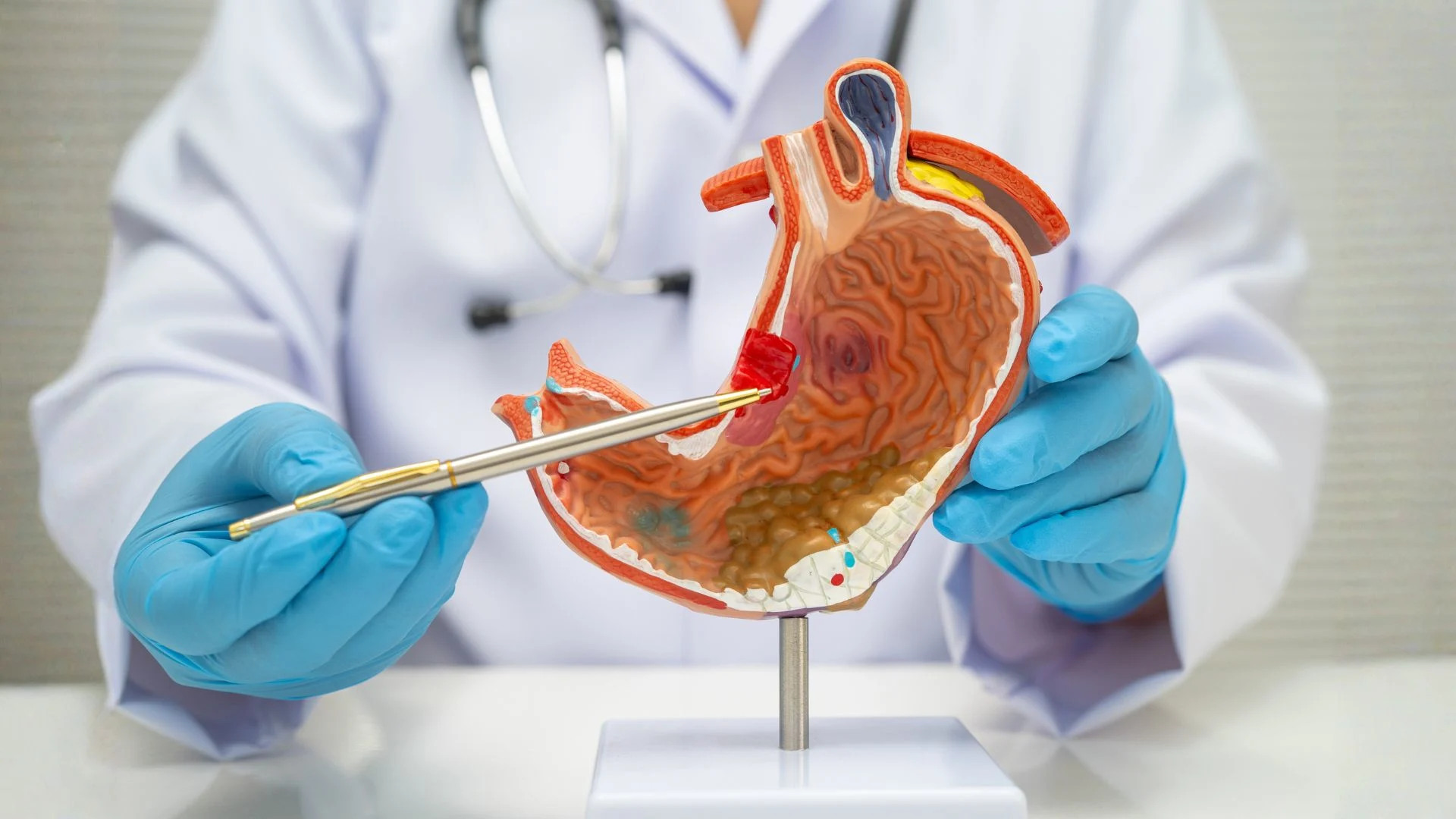
Digestive problems like acidity, constipation, diarrhoea, and ulcers are commonly observed. However, with early diagnosis, they can be effectively managed. Quick medical attention can prevent complications and improve quality of life.
Introduction
Digestive problems are common medical conditions that can impact people across all age groups. Occasional discomfort is normal, but persistent symptoms can signal an underlying health condition that may require medical attention. Understanding the warning signs of digestive problems and knowing when to consult a doctor can help prevent complications and improve overall well-being.
While many cases are mild and manageable, symptoms such as severe pain or unusual changes in bowel habits may need a more detailed examination.
Stomach Problems and Treatment
Here are the 5 most commonly noticed and treated digestive issues.
| Problems | Symptoms | Causes | Doctor visit required |
| Hyperacidity (GERD) | HeartburnChest discomfort | Processed food Spicy food lifestyle practices. | Prolonged symptomsDifficulty in swallowing |
| Constipation | Difficulty in passing stoolsInfrequent bowel movement | Low fibre dietDehydration | Prolonged symptomsPain and fatigue |
| Irritable Bowel Syndrome | BloatingCrampsIrregular stool movement | StressIntestine weakness | Persisting symptomsUnexplained weight loss |
| Diarrhoea | Loose stoolsDehydration | InfectionFood intolerance | Prolonged illnessBlood in stools |
| Peptic ulcers | Stomach painIrritation in the stomach | Viral infectionLoss of appetite | Change in stool colourPersistent Vomiting |
Digestive Health Issues: What’s important?
Issues with digestion cannot be taken lightly, though they may start small. The information received must be accurate, practical, and trustworthy.
- Increased attacks of acidity due to stress and dietary habits should be addressed in a more relatable and practical way
- The focus is not just on identifying problems but also on recognising when professional medical care is necessary—an essential aspect often overlooked.
- The inclusion of a comparison table, symptom breakdowns, and doctor consultation guidelines ensures the article is a dependable reference point for readers seeking clarity.
- The article encourages informed decision-making rather than self-diagnosis, which is crucial for safe health practices by avoiding exaggerated claims.
Why This Article Stands Out
Many previously published articles on digestive health have focused more on symptoms or remedies. This article goes a step further by combining symptoms, causes, and medical guidance and highlighting when professional care is necessary with an easy-to-read, structured data
Conclusion
Don’t ignore persistent digestive discomfort. Take charge of your gut health today by consulting an experienced gastroenterologist in Bangalore.
If you or your loved one is wondering, “Who would be the best gastro doctor in Bangalore to meet?”, schedule a consultation with our experienced specialists at Suguna Hospital for an accurate diagnosis and effective treatment of digestive problems.
Your journey to better digestion starts with the right care!
FAQs
Q. What is the most common digestive problem?
A. Commonly noticed are Acidity and GERD among the most common digestive issues due to lifestyle and dietary habits.
Q. Can digestive problems go away on their own?
A. Mild cases can be addressed with diet changes, but prolonged symptoms might require medical attention.
Q. How do I know if my digestive problem is serious?
A. Warning signs include severe pain, blood in stool, and unexplained weight loss.
Q. What foods help improve digestion?
A. Fibre-rich foods, probiotics, and adequate hydration support healthy digestion.
Q. Is stress linked to digestive issues?
A. Yes, stress significantly affects gut health and can trigger conditions like IBS.
References
- Mayo Clinic
- National Institute of Diabetes and Digestive and Kidney Diseases (NIDDK)
- World Health Organization (WHO)
- American College of Gastroenterology (ACG)
- National Health Service (NHS)
- Cleveland Clinic
Author
Written by: Medical Content Team, Suguna Hospital
Reviewed by: Gastroenterology Specialists at Suguna Hospital