 24x7 Helpline 080 4019 4444

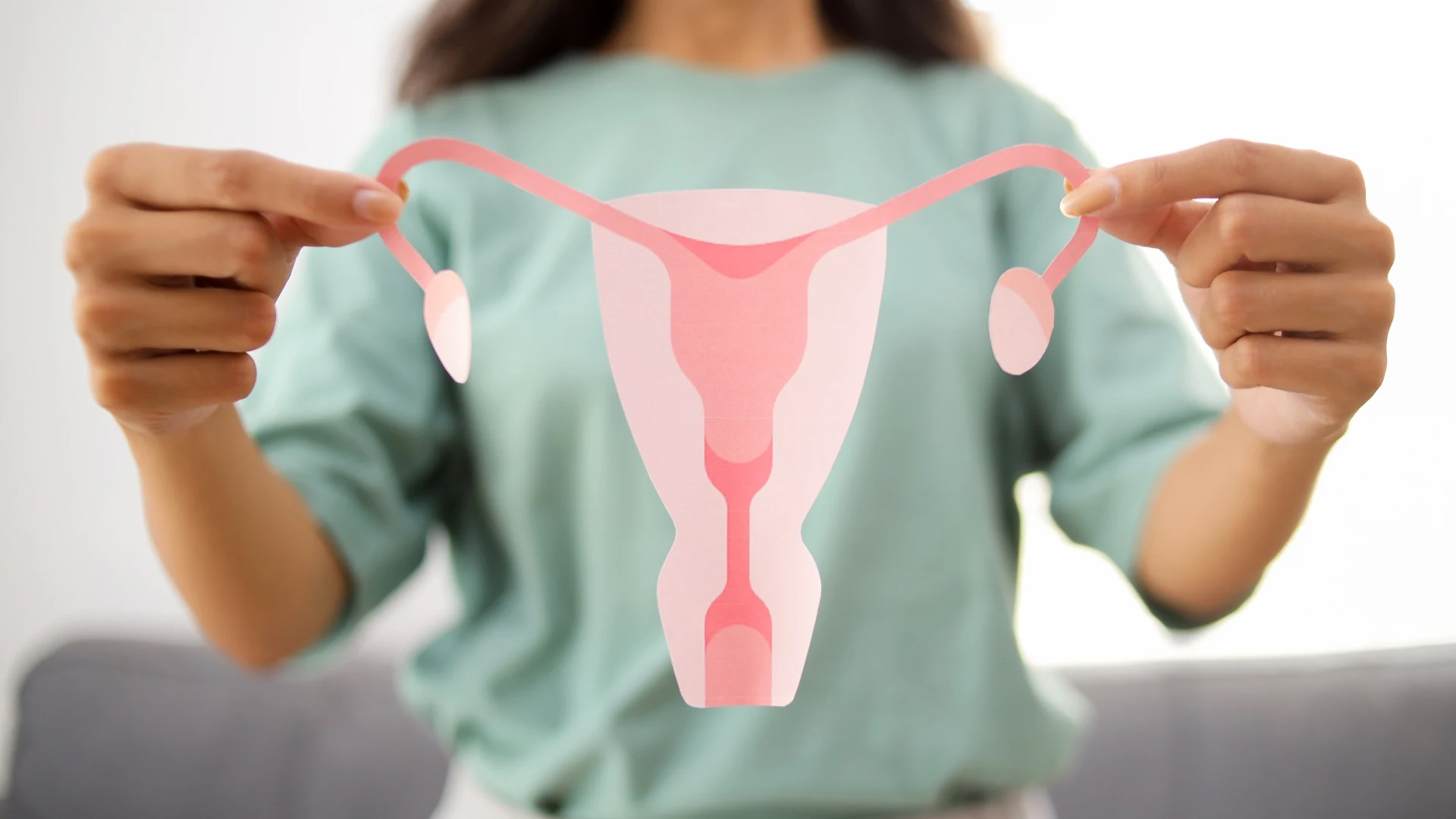
PCOD and PCOS are commonly heard of when it comes to health conditions observed in women. They are known to impact a woman’s reproductive health by creating a hormonal imbalance. Though they are related, they are different when it comes to the magnitude of impact. It is important to understand the key difference between PCOD and PCOS and get suitable treatment. This article explains more about them.
Introduction
While PCOD and PCOS sound very similar, many women are often confused between these two terms. The truth is, while both lead to hormonal imbalance in women and affect the ovarian function, there is a significant difference. With cases in India on the rise due to sedentary habits and stress, early diagnosis, diet control, exercise, and expert supervision ensure better outcomes and fertility success.
PCOD and PCOS are related but distinct conditions affecting women’s hormonal and reproductive health. PCOD is generally milder and lifestyle-driven, while PCOS is a metabolic syndrome requiring structured long-term management.
PCOD (Polycystic Ovarian Disease) is a condition where many immature eggs are released by the ovaries, which turn into cysts due to hormonal imbalance. PCOS (Polycystic Ovary Syndrome) is a more complex metabolic and endocrine disorder that involves insulin resistance, resulting in irregular periods and higher long-term risks like diabetes and infertility.
PCOD vs PCOS
| Parameters | PCOD | PCOS |
| Nature | Ovarian disorder | Endocrine and Metabolic Syndrome |
| Occurrence | When ovaries produce partially mature eggs that accumulate as cysts. | When hormone production and insulin regulation are impacted. |
| Symptoms | Irregular or delayed periodsWeight gainAcne and oily skinMild hair thinningDifficulty conceiving (in some cases) | Irregular or absent periodsExcess facial/body hair (hirsutism)Severe acneObesity or difficulty losing weightInsulin resistanceInfertilityMood disturbances |
| Severity | It can be mild to moderate | It can be more severe and complex, especially if left untreated. |
| Ovulation | Often regular | Frequently absent |
| Insulin Resistance | Rare | Absent |
| Long-term impact | Low | High |
| Impacting Fertility | Mild | Very high if left unattended. |
| Treatment | Lifestyle correction | Hormonal and Metabolic Management |
Treatment Options
When it comes to PCOD treatment in Bangalore, early diagnosis plays a very key role as it decides the type and period of treatment required.
- Lifestyle management and regular physical activity to improve ovulation.
- Medications
- Advanced fertility treatment
- Hormone therapies
However, the actual treatment will be decided by your treating doctor after the required diagnostic tests.
Diet Tips for PCOD & PCOS
A balanced diet is crucial. Hence, try to include these in your diet.
- High-fiber foods (oats, millets, vegetables)
- Lean protein (eggs, lentils, fish)
- Healthy fats (nuts, seeds, olive oil)
- Low-GI fruits (berries, apple, guava)
Avoid
- Refined sugar
- White bread
- processed foods
- Sugary beverages
- Excess fried foods
Expert-backed care for PCOD and PCOS
The importance of expert-backed care for PCOD and PCOS is reflected in this article as it stresses the need for a multidisciplinary treatment approach.
- Gynecologists report rising PCOS cases among young women in urban India due to sedentary lifestyles and stressful living conditions.
- Treatment protocols now emphasize insulin regulation, personalized hormonal therapy, and structured lifestyle intervention programs.
- Major medical associations classify PCOS as a lifelong condition requiring monitoring for diabetes, hypertension, and lipid abnormalities.
- The guidance prioritizes safe, non-invasive first-line approaches and evidence-backed medication, with regular screening for blood sugar, thyroid, and lipid levels, which is recommended for PCOS patients.
If you are experiencing any symptom related to PCOS or PCOD and are wondering as to, “Who is the best gynaecologist near me” to consult, then without any further delay, reach out to experts at Suguna hospital, known for its efficient diagnosis, personalized hormonal therapy, advanced fertility support, and multidisciplinary PCOS management programs.
Frequently Asked Questions
Q. Are PCOD and PCOS the same?
A. No. PCOD is mainly an ovarian condition, while PCOS is a metabolic syndrome that involves hormonal and insulin imbalance.
Q. Which is more serious: PCOD or PCOS?
A. PCOS is generally more serious due to higher risks of diabetes, heart disease, and infertility.
Q. Can PCOD or PCOS be cured permanently?
A. While there is no permanent cure, symptoms can be effectively managed with lifestyle changes and treatment.
Q. Does PCOS cause infertility?
A. Not always as many women conceive naturally or with minimal treatment.
Q. What is the best diet for PCOS?
A. Doctors recommend a low-GI, high-protein, fiber-rich diet to help regulate insulin and hormones. However, Hydration, adequate sleep, and stress reduction are equally important.